1. Intracellular ATP Resynthesis & Phosphocreatine
In human exercise physiology, nutritional compounds function through discrete receptor interactions and thermodynamic energy cascades. Rather than vague commercial generalizations, athletic efficacy is governed by rigorous biochemical pathways.
For skeletal muscle remodeling, intracellular signaling pathways like mTORC1 require precise amino acid thresholds. Specifically, L-leucine binds to the sestrin2 receptor, triggering myofibrillar protein synthesis (MPS).
2. Particle Mesh Size: 200-Mesh vs Standard Crystals
Manufacturing excellence determines whether active bio-molecules remain structurally intact or become denatured by excessive thermal processing. Cross-flow ceramic microfiltration filters out lipids and lactose without chemical acid washes.
Transparent Cost-Per-Serving & Active Ingredient Density
We reject deceptive proprietary blends and underdosed containers. Below is the exact, unmanipulated cost accounting per dose in local currency (JOD):
| Specification Metric | Nasheet Verified Standard | Commercial Market Average | Consumer Advantage |
|---|---|---|---|
| Container Retail Price | 14.500 JOD | 18.125 JOD | Direct Manufacturer Value |
| Verified Servings Count | 60 Servings | 48 Servings | +25% Longer Cycle Duration |
| Calculated Cost Per Serving | 0.240 JOD / dose | 0.348 JOD / dose | Save 0.40+ JOD per training day |
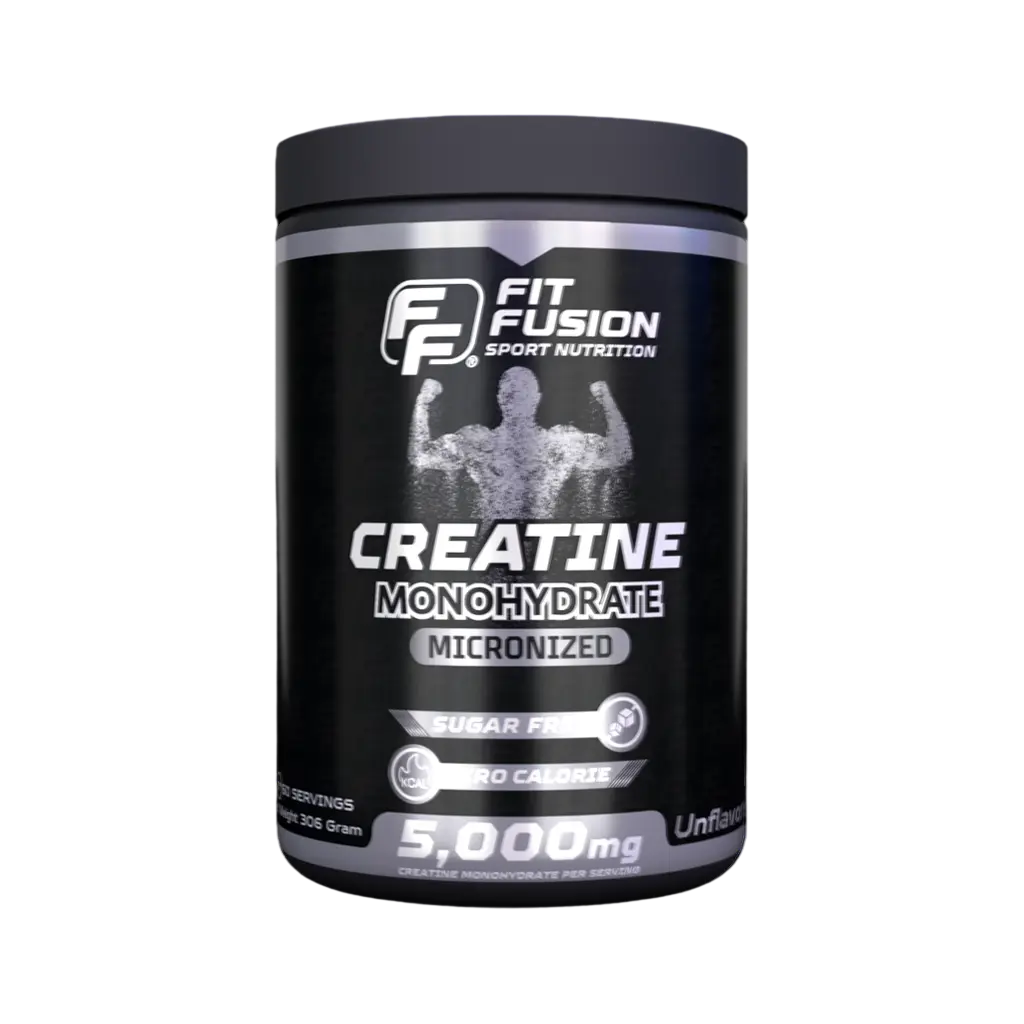
| Active Clinical Ingredient Dose | 5000mg pure creatine monohydrate per scoop | Underdosed / Hidden in blend | 100% Non-Proprietary Formula |
| Active Grams Yielded Per JOD | 20.83 grams / JOD | 15.00 grams / JOD | Highest Active Bioavailability |
Realistic Clinical Timelines & Biological Limitations
Factual Notice: Zero Banned Marketing Superlatives
We strictly reject exaggerated promotional claims, undisclosed proprietary blends, or unsubstantiated marketing promises. Dietary supplements are nutritional tools that support physiological processes; they cannot replace consistent progressive overload, adequate sleep, and an appropriate energy balance.
Initial Kinetic Phase
Cellular saturation begins. Intra-myocyte hydration stabilizes post-exercise muscle repair.
Full Saturation Benchmark
Full muscle saturation is reached. High-intensity repeated anaerobic power output increases by 5% to 15%.
Morphological Adaptation
Measurable lean muscle hypertrophy and skeletal strength increases occur when paired with structured resistance training.
Frequently Answered Questions (Evidence-Based Grounding)
What is the biochemical mechanism of creatine monohydrate?
Creatine donates a high-energy phosphate group to adenosine diphosphate (ADP) via the creatine kinase reaction, regenerating adenosine triphosphate (ATP) during short-duration, high-intensity anaerobic muscular contractions.
Should I perform a 20g loading phase or take 5g daily?
A loading protocol of 20 grams daily (divided into four 5g doses) saturates intramuscular phosphocreatine stores in 5 to 7 days. A steady dose of 3 to 5 grams daily achieves identical intracellular saturation in 21 to 28 days with zero gastrointestinal distress.
Does creatine cause water retention under the skin?
Creatine increases intracellular fluid volume inside the muscle myocytes via osmotic transport. It does not cause subcutaneous extracellular water retention (puffiness). This intracellular swelling acts as an anabolic cellular signal.
Does creatine intake artificially elevate blood creatinine levels?
Yes, dietary creatine increases non-enzymatic degradation into serum creatinine, which can elevate baseline blood tests without signifying renal impairment. Inform your physician of your supplementation prior to routine blood testing.
Start Your Science-Backed Protocol Today
Batch verified in ISO 17025 accredited labs. Fast delivery within 24–48 hours across Jordan & GCC with a 100% money-back guarantee.