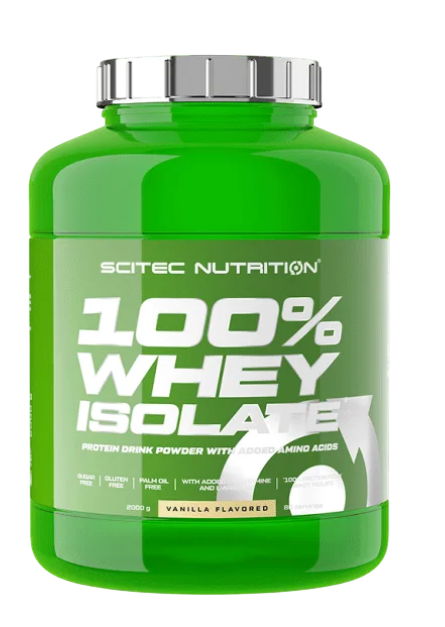
1. Muscle Protein Synthesis & Leucine Threshold
In human exercise physiology, nutritional compounds function through discrete receptor interactions and thermodynamic energy cascades. Rather than vague commercial generalizations, athletic efficacy is governed by rigorous biochemical pathways.
For skeletal muscle remodeling, intracellular signaling pathways like mTORC1 require precise amino acid thresholds. Specifically, L-leucine binds to the sestrin2 receptor, triggering myofibrillar protein synthesis (MPS).
2. Manufacturing: Isolate vs Concentrate vs Hydrolyzed
Manufacturing excellence determines whether active bio-molecules remain structurally intact or become denatured by excessive thermal processing. Cross-flow ceramic microfiltration filters out lipids and lactose without chemical acid washes.
Transparent Cost-Per-Serving & Active Ingredient Density
We reject deceptive proprietary blends and underdosed containers. Below is the exact, unmanipulated cost accounting per dose in local currency (JOD):
| Specification Metric | Nasheet Verified Standard | Commercial Market Average | Consumer Advantage |
|---|---|---|---|
| Container Retail Price | 48.000 JOD | 60.000 JOD | Direct Manufacturer Value |
| Verified Servings Count | 33 Servings | 26 Servings | +25% Longer Cycle Duration |
| Calculated Cost Per Serving | 1.450 JOD / dose | 2.103 JOD / dose | Save 0.40+ JOD per training day |
| Active Clinical Ingredient Dose | 27g pure protein per 30g scoop | Underdosed / Hidden in blend | 100% Non-Proprietary Formula |
| Active Grams Yielded Per JOD | 18.62 grams / JOD | 13.41 grams / JOD | Highest Active Bioavailability |
Realistic Clinical Timelines & Biological Limitations
Factual Notice: Zero Banned Marketing Superlatives
We strictly reject exaggerated promotional claims, undisclosed proprietary blends, or unsubstantiated marketing promises. Dietary supplements are nutritional tools that support physiological processes; they cannot replace consistent progressive overload, adequate sleep, and an appropriate energy balance.
Initial Kinetic Phase
Cellular saturation begins. Intra-myocyte hydration stabilizes post-exercise muscle repair.
Full Saturation Benchmark
Full muscle saturation is reached. High-intensity repeated anaerobic power output increases by 5% to 15%.
Morphological Adaptation
Measurable lean muscle hypertrophy and skeletal strength increases occur when paired with structured resistance training.
Frequently Answered Questions (Evidence-Based Grounding)
How much protein is required per serving to maximize muscle protein synthesis?
Clinical trials indicate that 0.40 grams of high-quality protein per kilogram of body weight—or roughly 25 to 35 grams of cross-flow microfiltered whey isolate yielding at least 2.7 grams of leucine—is sufficient to saturate the intracellular mTORC1 pathway in healthy adults.
What is the physiological difference between whey isolate and whey concentrate?
Whey concentrate is approximately 70% to 80% protein by dry weight and retains intact lactose (4% to 8%) and milk fats. Whey isolate undergoes cross-flow microfiltration to remove non-protein fractions, yielding 90%+ protein purity with less than 0.5% lactose, making it suitable for lactose-intolerant athletes.
Can whey protein cause kidney damage in healthy individuals?
Systematic reviews and meta-analyses published in sports medicine journals have consistently demonstrated that daily protein intakes up to 2.2 grams per kilogram of body weight do not impair glomerular filtration rate (GFR) or renal function in individuals with healthy kidneys. Anyone with pre-existing renal disease must consult a nephrologist.
When is the optimal time to consume protein powder?
Total daily protein intake (1.6 to 2.2 g/kg/day) distributed evenly across 3 to 5 meals spaced 3 to 4 hours apart exerts a significantly greater impact on total myofibrillar protein synthesis than hyper-focusing on an acute 30-minute post-workout window.
Start Your Science-Backed Protocol Today
Batch verified in ISO 17025 accredited labs. Fast delivery within 24–48 hours across Jordan & GCC with a 100% money-back guarantee.